Why Jewelry Value Isn’t Always Obvious
If you’ve ever opened your jewelry box and wondered “what is this actually worth?”, you’re not alone.
Many people assume value is based on appearance. If something looks beautiful, intricate, or expensive, it must be valuable.
But that’s not always the case.
Some of the most valuable pieces are simple and understated, while some bold or decorative items may have little financial value. This is especially common with inherited collections, where it’s not always clear what’s fine jewelry and what may be costume.
That’s why so many people search:
- “How can I tell what my jewelry is worth”
- “Where can I get jewelry evaluated near me”
- “Is old jewelry worth anything”
Understanding how value is determined can help you make more informed decisions before taking the next step.
What Determines Jewelry Value
Precious Metals: Gold, Silver, and Platinum
One of the biggest factors in jewelry value is the precious metal content.
Gold, silver, and platinum all have intrinsic value based on:
- Purity (10k, 14k, 18k, etc.)
- Weight
- Current market prices
For example, a 14k gold ring contains about 58.5% pure gold. Even if that ring is bent, outdated, or missing a stone, it still has value because of the gold itself.
This is why people often search “where can I sell broken gold jewelry” and are surprised to learn those items still hold worth.
Common examples of valuable metal items include:
- Broken chains
- Single earrings
- Old wedding bands
- Class rings
- Scrap or tangled gold
Silver is also frequently overlooked. While it’s less valuable per ounce than gold, items like sterling silver flatware, trays, and antique pieces can add up quickly. This leads many to ask, “how do I know if my silverware is real sterling silver?”
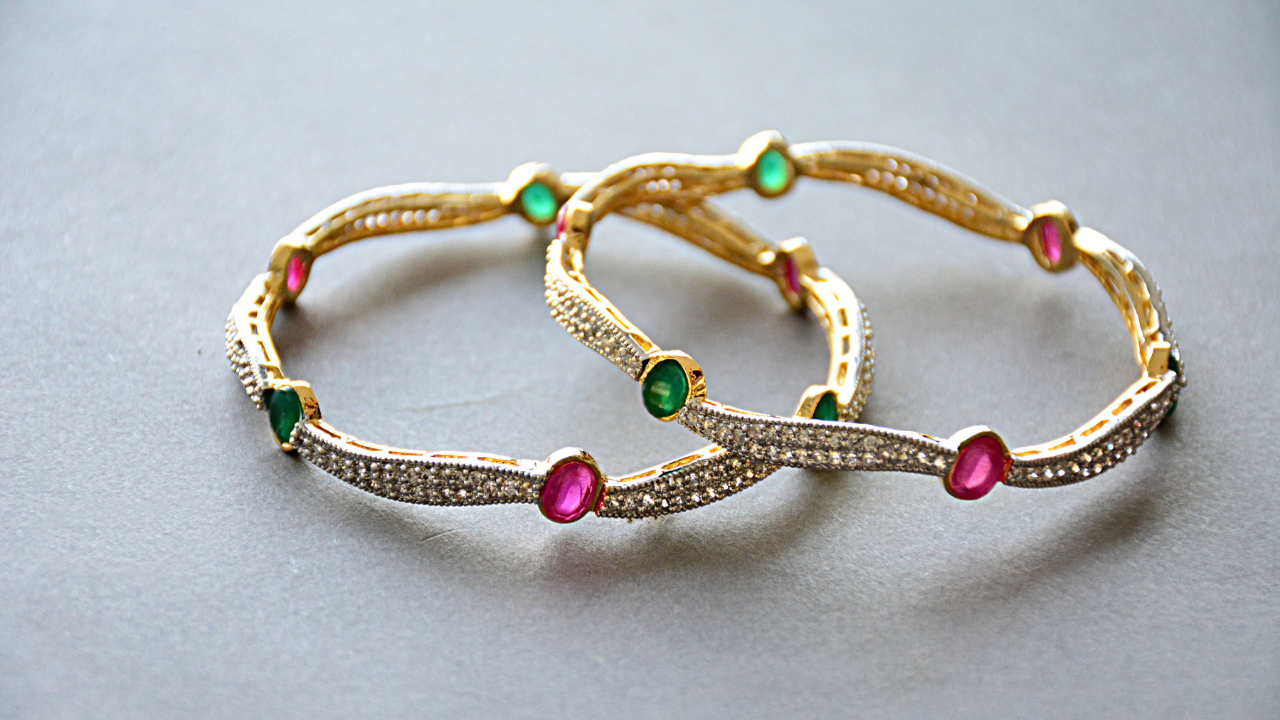
Gemstones: More Than Just Size
Gemstones can add significant value, but they’re not judged by size alone.
Diamonds are evaluated using the “Four Cs”:
- Cut
- Color
- Clarity
- Carat weight
A larger diamond isn’t always more valuable than a smaller one. For example, a one-carat diamond with visible inclusions may be worth less than a smaller, high-quality stone with excellent clarity and cut.
This is why people frequently search:
- “How do I know if my diamond is valuable”
- “Are small diamonds worth anything”
Colored gemstones like sapphires, rubies, and emeralds are also evaluated based on:
- Color richness
- Clarity
- Origin (in some cases)
- Overall condition
However, not all gemstones are natural. Many pieces contain:
- Lab-created stones
- Imitation gems
- Decorative materials used in fashion jewelry
These can still be visually appealing but may not carry significant resale value.
Design, Craftsmanship, and Age
Beyond materials, how a piece is made can influence its value.
Jewelry with strong craftsmanship may include:
- Hand-set stones
- Detailed metalwork
- Unique or custom designs
For example:
- An antique ring with intricate filigree
- A vintage brooch with precise stone placement
- A handmade setting not found in modern mass production
These features can increase desirability, especially among collectors.
People researching “how to sell vintage jewelry” often discover that age and design can make a meaningful difference.
Jewelry from certain time periods such as Art Deco or Victorian may also carry added value due to rarity and historical significance.
Brand and Maker
In some cases, who made the piece matters.
Jewelry from recognized designers or well-known brands may be worth more due to:
- Reputation
- Craftsmanship standards
- Collectability
Signed pieces, those stamped with a maker’s mark, are often more desirable than unsigned ones.
This leads many people to ask, “is designer jewelry worth more when selling?”
However, it’s important to note:
- Not all branded jewelry is highly valuable
- Not all unbranded jewelry lacks value
Some unsigned antique pieces can be more valuable than modern branded items.
Condition and Completeness
Condition can influence value, but it doesn’t tell the whole story.
Items in excellent condition, such as complete sets or well-maintained pieces, may carry more value. However, damaged items should never be dismissed.
Examples include:
A broken bracelet (still valuable for gold)
A ring missing a stone
A single earring without its match
This is why people often search “is broken jewelry worth anything” and in many cases, the answer is yes.
Condition becomes more important when:
- The piece has collectible or designer value
- Craftsmanship is a major factor
- The item is rare or antique
Common Misconceptions About Jewelry Value
“If It Looks Expensive, It Must Be Valuable”
Appearance can be misleading.
Some large or flashy pieces are made with lower-quality materials, while smaller, simpler items may contain high-value metals or gemstones.
“Old Jewelry Isn’t Worth Anything”
Age alone doesn’t determine value, but it can add to it.
Many older pieces contain higher gold purity or craftsmanship that’s less common today.
“Broken Jewelry Has No Value”
This is one of the most common misconceptions.
If a piece contains precious metal, it likely still has value.
Why Professional Evaluation Matters
Trying to determine value on your own can be difficult.
Many people researching “where can I get jewelry appraised near me” or “how much is my gold worth today” are looking for clarity, not pressure.
A proper evaluation typically considers:
- Metal content and weight
- Gemstone quality
- Design and craftsmanship
- Market conditions
It also helps avoid two common issues:
- Undervaluing something important
- Overestimating something based on appearance
Where Legacy Estate Buyers Fits In
For those looking to better understand their jewelry, working with a knowledgeable evaluator can make the process more straightforward.
Legacy Estate Buyers provides evaluations designed to help individuals understand what they have and how value is determined, without requiring any immediate decision.
Final Thoughts
Jewelry value is rarely as simple as it seems.
Some items that appear modest may hold significant worth, while others may be more sentimental than financial.
The most important step is understanding what you have.
Because once you have clear information, every decision that follows becomes much easier.